


How Context Optimization Makes AI Coding Agents More Efficient
AI coding agents need better context. Selecting, compressing, and retrieving the right information can reduce waste across the entire agent workflow.
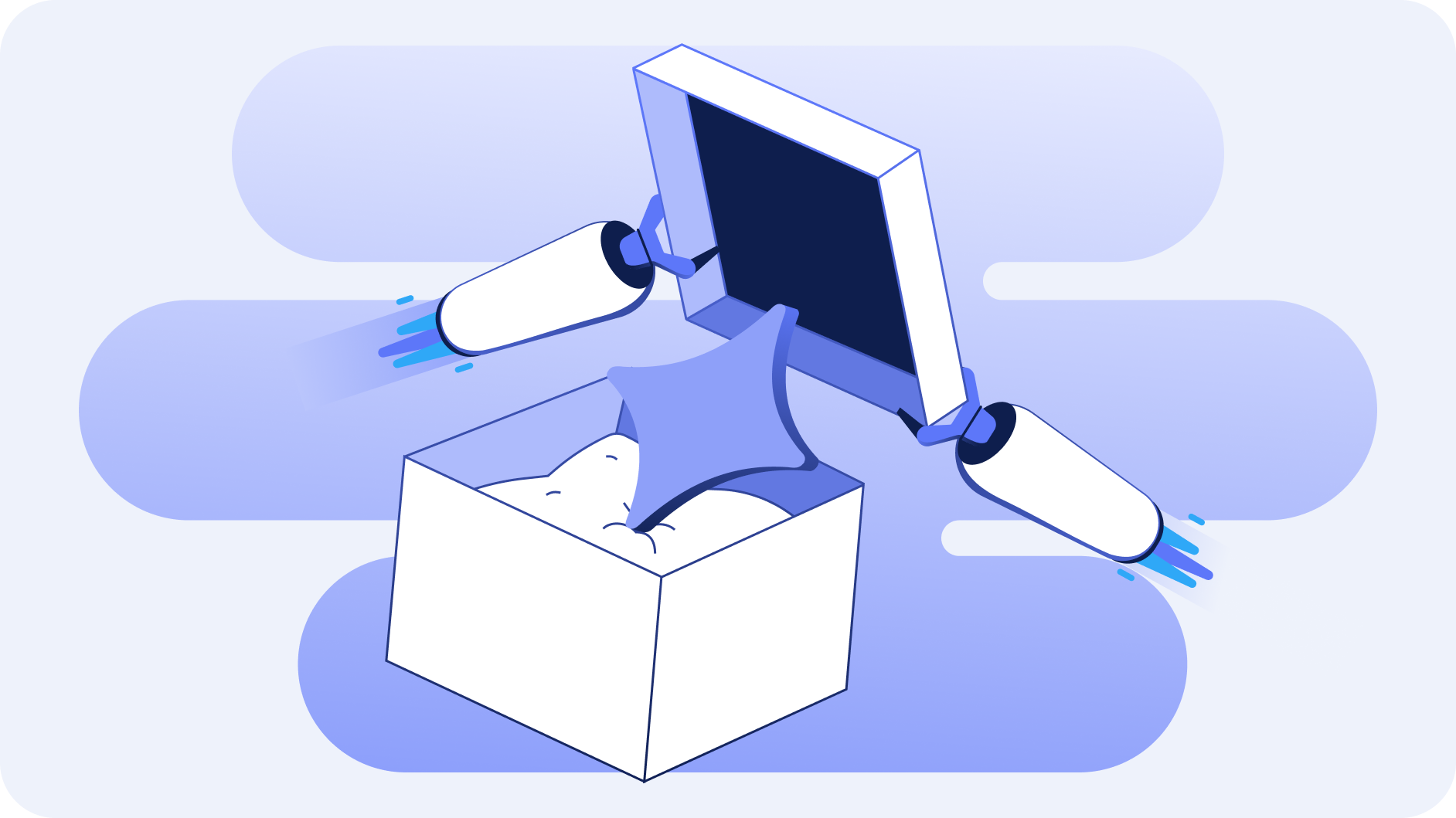




One of the most important lessons we’ve learned from a decade in the trenches with our customers is simple: your AI agent is only as good as the data it can actually reach.
If your agent can't navigate your internal databases, knowledge repositories, or private documents, it’s just a generic chatbot, and generic doesn't drive business impact.
To move from a "fun pilot" to a production-ready asset, organizations must overcome the real-world hurdles of scaling, security, and identity-aware access.
At the same time, when trying to use their own data, many organizations struggle with:
This article walks through the architecture CloudZone uses to help customers deploy enterprise RAG agents that delivers custom responses, scales automatically, and minimizes operational overhead.
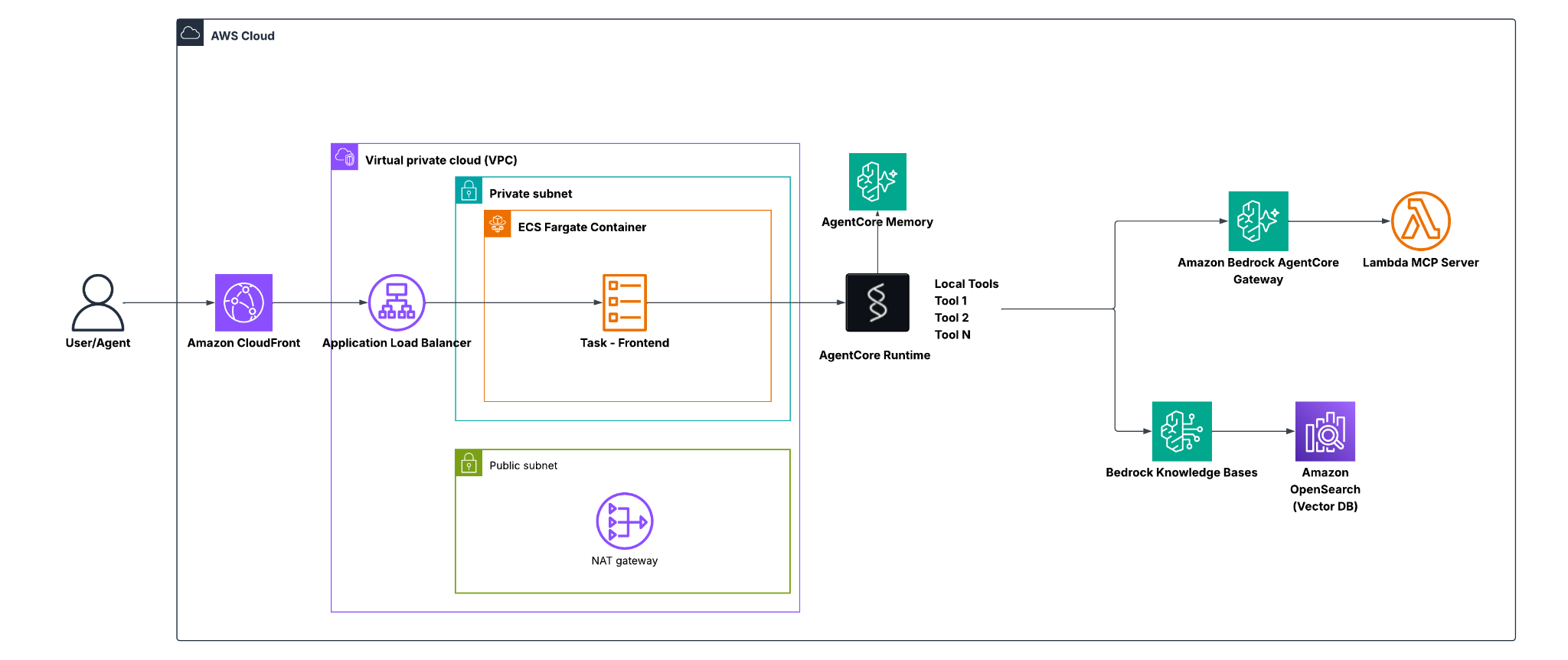
We maximize efficiency and minimize effort by integrating a battle-tested stack designed for the enterprise:
Before anything else, it is important to define what enterprise data the agent should use.
This is what turns a generic assistant into a business assistant.
In some scenarios, both internal and external users may use the same platform, with different permissions levels.
With this approach, each user only has access to restricted data sources, following the principle of least privilege.
The runtime validates the identity context on every request using claims from the verified JWT token. The agent is exposed as an HTTP service, while AgentCore handles scaling, isolation, and lifecycle management.
The solution combines retrieval, tool management, and context continuity. Thanks to a RAG architecture, agents dynamically retrieve context during execution and produce responses grounded in trusted data.
With MCP servers it is possible to decouple tools (for example, read operations to databases) from the main agent runtime, which improves security, governance, and scalability: tools can be authenticated, versioned, and managed independently while the agent only accesses the capabilities allowed for each user role.
This is not a one-off deployment. It is designed as a long-term platform that can evolve with business demand, user growth, and new AI capabilities without requiring a full redesign. By treating infrastructure, security, and operations as core concerns from the beginning, teams can move faster in production while keeping reliability and governance under control.
Summary
In order to drive real enterprise value from GenAI, you need more than a model endpoint. You need an architecture that connects securely to your business data, enforces identity and role-based access, and scales reliably from pilot to production.
By combining Bedrock Knowledge Bases, OpenSearch Serverless, AgentCore Runtime, AgentCore Gateway, and MCP-based tooling, CloudZone helps organizations move from a generic chatbot to a secure, enterprise-grade RAG agent platform built for long-term growth and adaptability.
At the end of the day, CloudZone helps you move from pilot to production by making sure your AI is secure, scalable, and grounded in the data that matters most.
Because model quality alone is not enough. Business-specific answers require business-specific data.
Yes, with role-based access and identity controls.
The architecture is cloud-native, secure-by-design, and serverless for future growth and scalability needs.
Yes, it includes Cognito authentication, AgentCore identity validation, and role-based permissions. So, it is possible to restrict or permit access to different data sources depending on the role of a particular user.
Yes, when deployed with proper governance, monitoring and operational practices, this is a completely valid production ready solution.
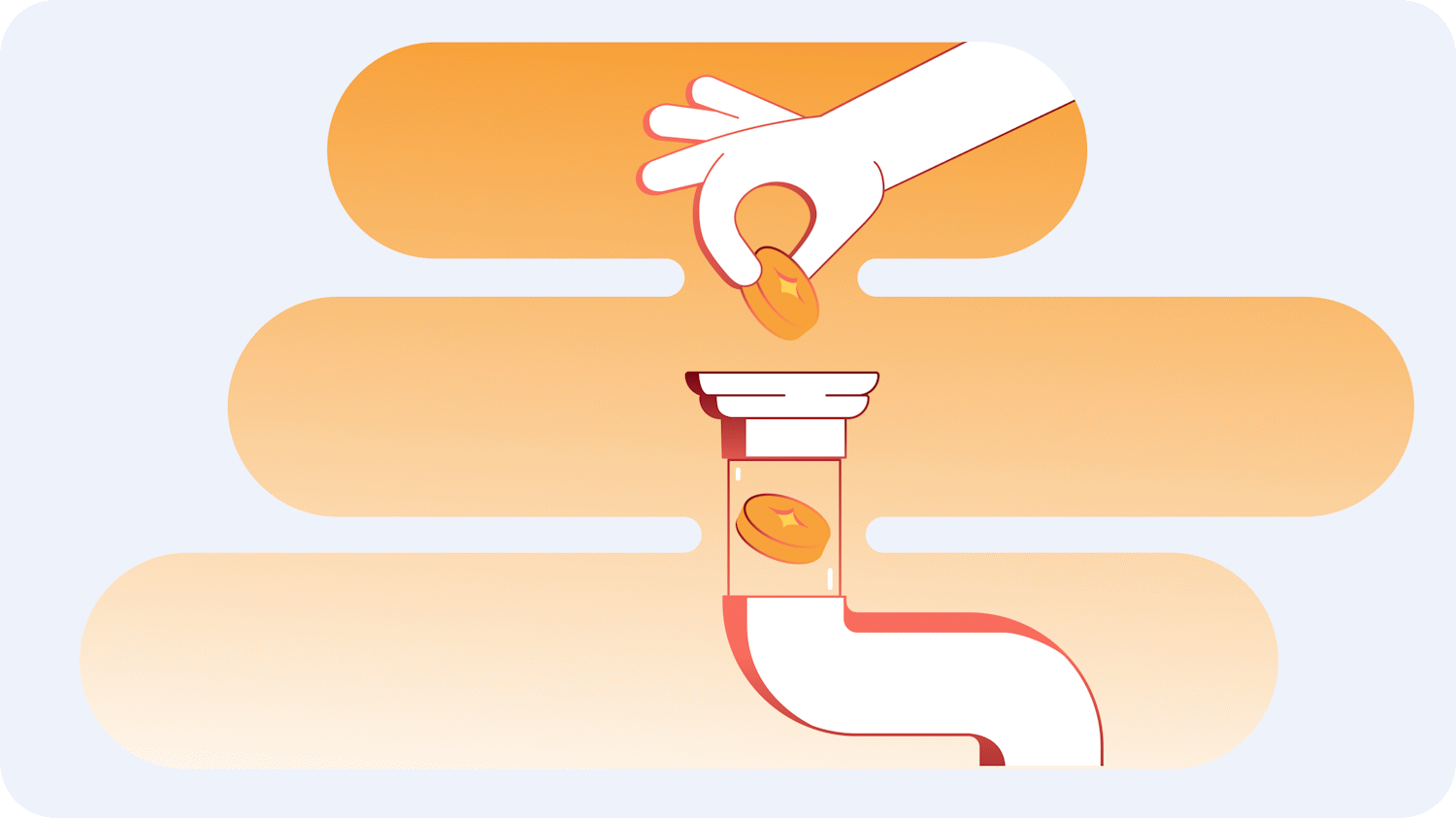

AI coding agents need better context. Selecting, compressing, and retrieving the right information can reduce waste across the entire agent workflow.

Picture a meeting room. Laptops open, screens flickering, everyone with that particular gleam in their eye. The first word in the air isn't "hello," it's "AI." And then comes the moment that always arrives: someone says, with total confidence, "We want ChatGPT. But ours. Now."

.png)