Beyond the Prompt: What is an AI Agent?
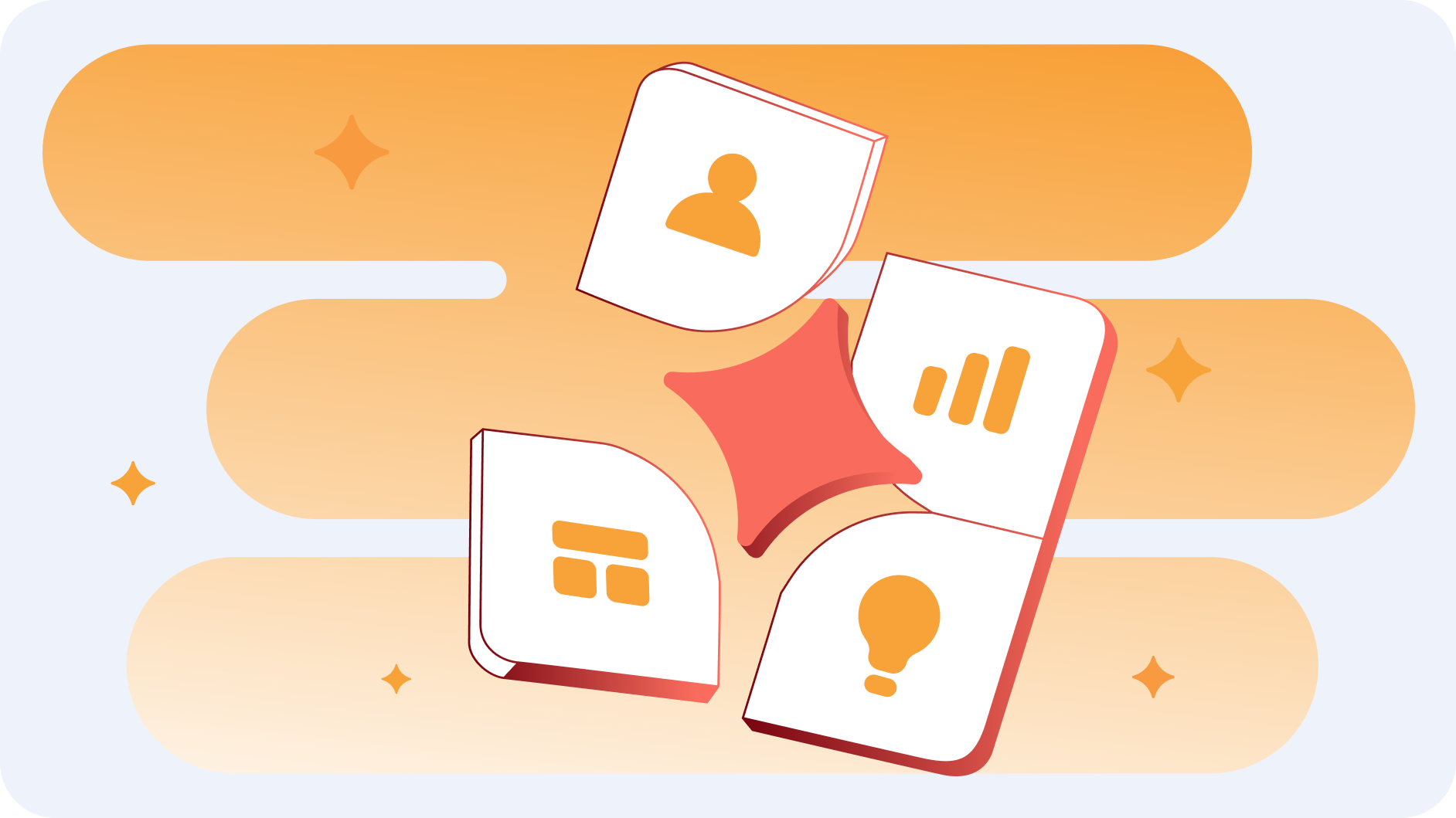
AI models provide the intelligence, but AI agents operationalize it. Think of an agent as a system built around a model that enables it to act, rather than just respond to a query. While a model reasons and generates intelligence (the brain), the agent plans, acts, and executes (the worker).
Key capabilities that define an AI agent include:
- Autonomous Decision-Making: Deciding the next best action based on the goal.
- Tool & API Integration: Interacting with external systems to fetch or push data.
- State & Memory Management: Maintaining context across complex interactions.
- Multi-step Orchestration: Executing sophisticated workflows toward a specific objective.
Vertex AI Agent Builder: The Full Framework
Vertex AI Agent Builder is a comprehensive platform designed to build, deploy, and govern production-grade agents. It grounds AI in the relevant data and integrates directly with existing business systems. To simplify the lifecycle, the platform splits the process into two distinct phases: Build and Run.
Phase 1: Build (The Development Kit)
The Agent Development Kit (ADK) is a declarative framework for building agents using Python or Java. It offers developers fine-grained control over how an agent behaves, from its core reasoning logic to its safety guardrails.
With ADK, teams can define:
- Specific goals and behavioral instructions.
- Tool usage and external API connectors.
- Error handling and multi-agent collaboration patterns.
To speed up time-to-market, developers can use the Agent Garden, which provides prebuilt templates and reusable components.
Focus on Interoperability:
- A2A Protocol: ADK supports the open Agent2Agent protocol for seamless communication between different agents.
- Model Context Protocol (MCP): Integration with MCP allows agents to connect to an expanding ecosystem of tools and data sources without requiring custom-coded integrations.
Phase 2: Run (The Production Engine)
Vertex AI Agent Engine serves as the managed runtime layer. It abstracts away the underlying infrastructure so teams can focus on reliability and scaling.
Production-Grade Infrastructure:
- Managed Deployment: Automated scaling and secure execution within IAM and VPC-SC boundaries.
- Quality & Evaluation (Preview): Integrated services for testing agent performance and fine-tuning Gemini models.
- Advanced Memory: Persistent Sessions for conversational context and a Memory Bank for long-term personalization.
- Observability: Full distributed tracing and monitoring via Google Cloud Trace and Cloud Logging.
From Intelligence to Action
While models provide the "thinking," agents drive the "doing." Vertex AI Agent Builder bridges this gap by separating design (ADK) from execution (Agent Engine). This allows organizations to deploy scalable, governed AI systems that move beyond simple responses to drive actual business outcomes.










.png)