


How Context Optimization Makes AI Coding Agents More Efficient
AI coding agents need better context. Selecting, compressing, and retrieving the right information can reduce waste across the entire agent workflow.





Let’s be honest- when an infrastructure team gets involved in a FinOps initiative at the beginning, the sentiments are often mixed. Some teams are happy to hear they will have extra hands to manage the AWS bill. They would be glad if someone else handled the commitment calculations and cost allocation questions, among other things.
However, others might feel those meetings are a waste of time on their calendars. Because they know every aspect of the infrastructure, they feel a FinOps Analyst lacks in-depth knowledge and won’t bring much value.
Regardless of where you fall on that spectrum, the value of this initiative doesn't come from spreadsheets- it comes from a shared understanding. So, while I was thinking about my most successful collaborations, I narrowed them down to 6 core principles that turn these meetings into meaningful wins for everyone involved.
The most productive mindset is: "We are on the same team." We are here to discuss, investigate, and most importantly, think together. The goal is to maximize the value of every dollar spent so the business can reinvest those savings in future projects. We encourage you to ask questions, share opinions, or even setbacks so that, together as a team, we can determine the best possible path for your FinOps journey.
Cost and usage data often reveal technical "ghosts" that standard monitoring tools might miss. When a FinOps expert looks at a bill, they aren't just looking at dollars; they are looking at behavior. Here are a few examples from my personal experience where a billing discrepancy led to a technical discovery:
The more we understand your infrastructure and business goals, the more impactful our recommendations become. We aren't just looking at numbers; we’re looking for the "why" behind the spend. Here are the topics that streamline the conversation:
Don't just listen to recommendations. Ask "Why?"
An experienced FinOps expert knows that performance and speed-to-market often outweigh cost. If a certain expensive service is critical, tell them. Good FinOps is about informed spending, not just cutting costs. If an expense is necessary, a good expert will recognize that and move on to the next opportunity.
Some teams simply don't have the time for deep architectural refactoring.
That is perfectly okay. If you’re short on time: Tell us. We can pivot the focus toward "Low-Hanging Fruit", quick wins like cleaning up unattached disks, adjusting commitment models (RIs/Savings Plans), or deleting orphaned snapshots that require zero code changes.
Furthermore, at CloudZone, we can assign additional capacity from your Max Squad to support your workload during these high-pressure periods.
Some welcome the extra help with managing the bill, while others feel the meetings waste time or that an analyst lacks sufficient knowledge of their infrastructure.
Yes. A FinOps expert reads billing as behavior, surfacing issues such as a failed shutdown schedule that runs an instance 24/7 or an unintended toggle that adds unexpected charges.
The nature of the application, the purpose of each environment, your tagging logic, usage patterns, and future plans, such as migrations or region moves.
No. When performance or speed-to-market matters more than cost, a good FinOps expert recognizes a necessary expense and moves on to the next opportunity.
The focus shifts to low-hanging fruit such as cleaning unattached disks, adjusting commitment models, or deleting orphaned snapshots, with CloudZone able to provide professional services during high-pressure periods.
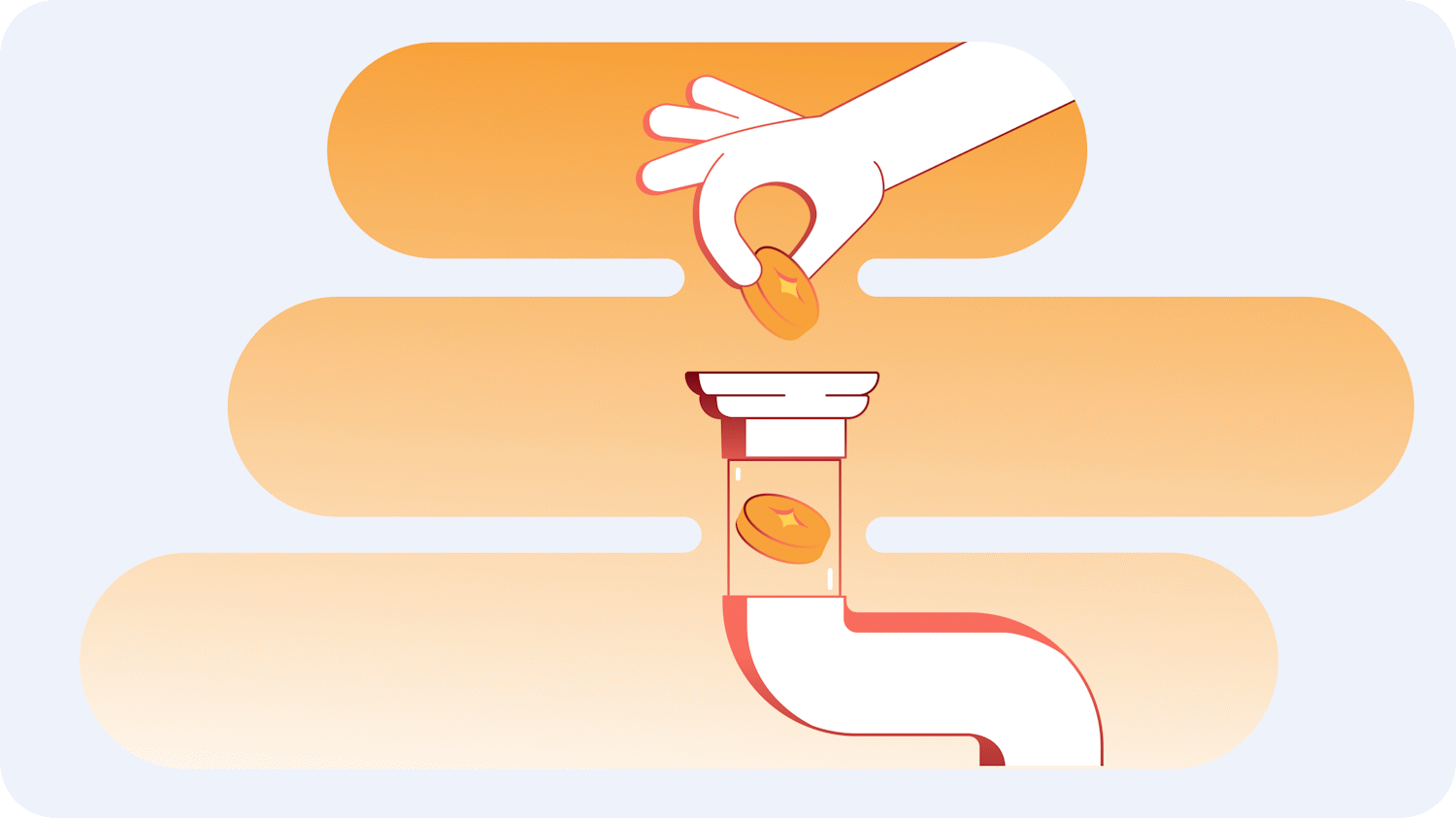

AI coding agents need better context. Selecting, compressing, and retrieving the right information can reduce waste across the entire agent workflow.

Picture a meeting room. Laptops open, screens flickering, everyone with that particular gleam in their eye. The first word in the air isn't "hello," it's "AI." And then comes the moment that always arrives: someone says, with total confidence, "We want ChatGPT. But ours. Now."


.png)